
Ordering oil should take minutes. It usually takes longer because of the calls, the checking and the second-guessing, and one wrong grade can undo all of it.
Most wrong-oil orders aren’t down to carelessness. Product names across a single range are often almost identical, a viscosity grade can look right while the approval is wrong, and a supplier change can mean the familiar product now goes by a different name.
The result is usually found out late, when the delivery arrives or, worse, once the oil is already in the machine. Buying lubricants online removes a lot of the back and forth, but only if you go in knowing what you actually need to specify.
Brand loyalty is understandable, but the equipment doesn’t care which logo is on the drum. What it needs is a particular viscosity grade and a particular performance level, usually set out in the handbook or by the manufacturer.
Before you order, it helps to have these to hand:
None of this takes long to find, and it turns an order from a guess into a match.
A viscosity grade on its own doesn’t tell you an oil is suitable. Two oils can share a grade and still differ in what they’re approved for, which matters most for modern commercial vehicle engines and for anything still under warranty.
Ranges such as Shell Rimula, Mobil Delvac and Castrol Vecton each come in several grades with different approvals. Picking the right one means reading the approval line on the product as well as the number on the front.
Sometimes the exact product you’ve been using isn’t what you want to keep buying, whether because of availability, price or a wish to consolidate suppliers. In that case the useful question is which products meet the same specification, not which one has the same name.
Equivalents exist across most major brands, and Velocity Edge carries Castrol, Fuchs, Millers Oils, Mobil, Petro-Canada, Petronas, Shell, Texaco, Total and Viper. Matching on specification keeps the equipment protected while giving you more room to choose. If you aren’t sure whether two products are genuinely interchangeable, that’s a good moment to ask before ordering rather than after.
Pack size gets overlooked, and it affects both cost and convenience. A workshop topping up a handful of vehicles has different needs from a site refilling a large hydraulic system, and the right container for one is wasteful or awkward for the other.
It’s sensible to order what you’ll use in a reasonable period rather than stocking far more than you need. Oil in containers that have been opened and left can pick up dirt and moisture, so a pack that matches your usage tends to be the safer choice.
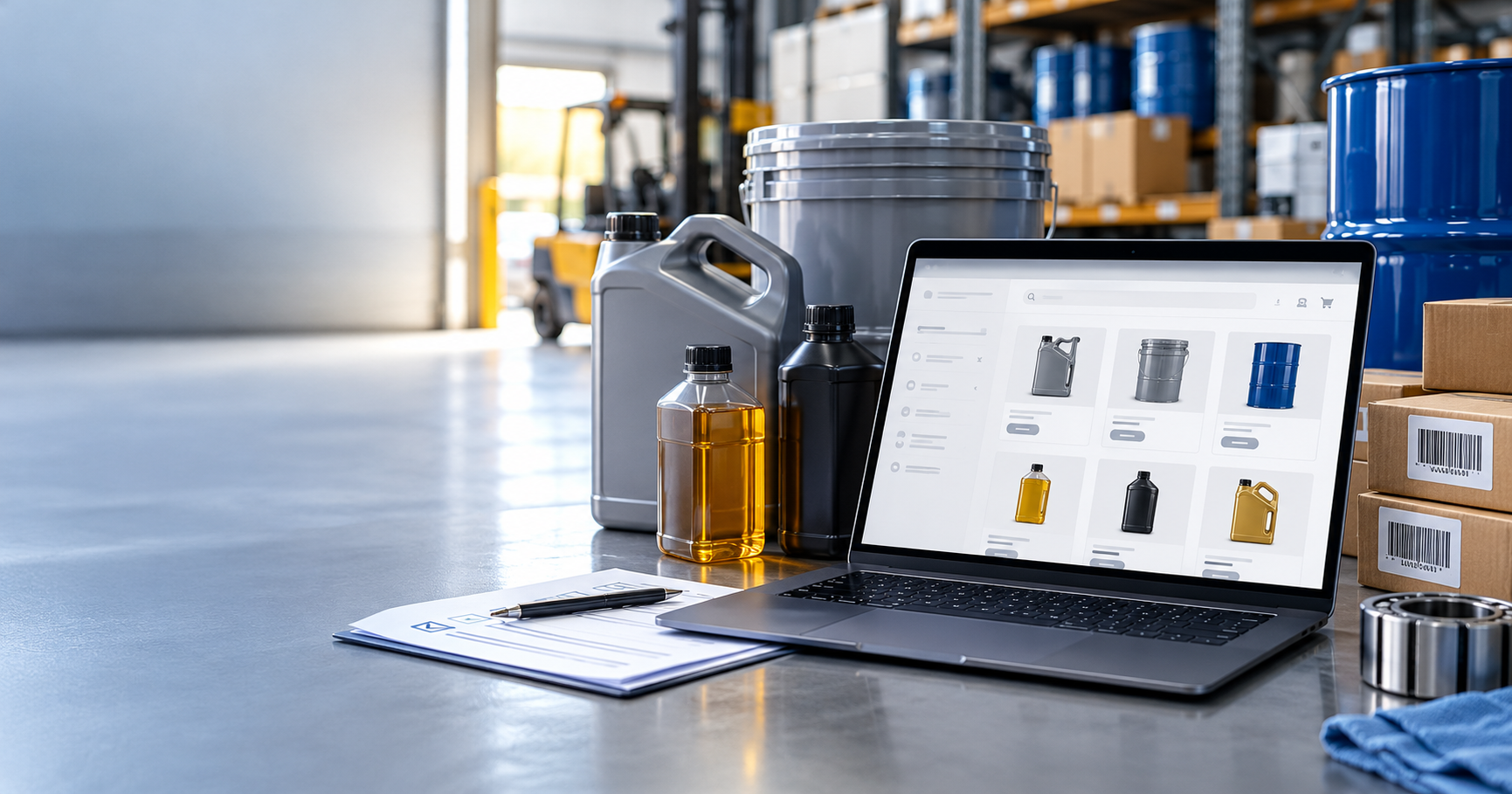
You can search by product name or browse by category, whether that’s industrial, commercial vehicle, marine, agriculture or off-highway, then add what you need to a quote basket. The process runs in three steps: select your products, add your contact details, and review before sending.
It works on a quote basis, which suits oil buying well. Needs vary, specifications matter, and having the order checked before it’s confirmed is worth more than a fast checkout button. If you can’t find a product you need, you can ask for it rather than assuming it isn’t available.
A lot of the time lost in lubricant buying comes from dealing with multiple suppliers, each with a different range, a different process and a different person to chase. Bringing the leading brands together in one place cuts that down, and it also makes it easier to compare equivalent products side by side.
Technical support sits behind the ordering process too. Impartial advice on choosing the right product means the person placing the order doesn’t have to be a lubrication specialist to get it right.
Ordering is the last step of a longer decision, and most mistakes come from earlier on. Our guide on how to choose the right lubricant for your equipment walks through that selection process, and different types of lubricants and their uses explains how the main product categories differ.
If you’re unsure which oil, grease or fluid is right for your equipment, our team can help before you order. Contact Velocity Edge and a knowledgeable member of our team can assist you in choosing the correct product for your application.