
At Velocity Edge, we aim to simplify that process. This guide outlines a clear, structured approach to help you confidently select the most appropriate lubricant for your equipment.
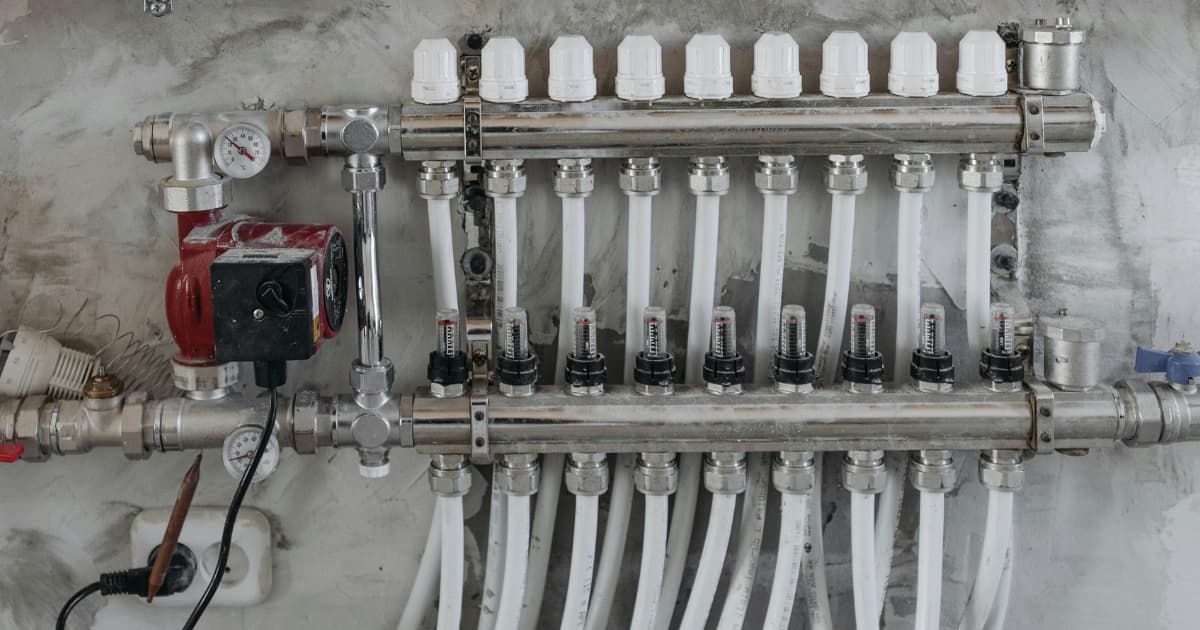
Start by understanding exactly what requires lubrication. Different systems demand different formulations, whether you are dealing with engines, gearboxes, hydraulic systems, compressors, or circulating systems.
Each application has distinct requirements, so narrowing this down early significantly reduces complexity.
Equipment manufacturers typically provide detailed lubrication specifications within manuals or technical documentation. This will often include:
Aligning with these guidelines is the most reliable starting point and helps avoid compatibility or performance issues.
Operating temperature plays a major role in lubricant performance. Some oils are formulated for high-temperature stability, while others are designed to maintain flow in low-temperature environments.
Ensure the product you select can perform consistently across the full temperature range your equipment experiences.
For equipment operating under high loads or pressure, lubricant choice becomes even more critical. In these conditions, products containing extreme pressure (EP) additives are often required to protect components from wear and surface damage.
Speed also influences lubricant behaviour:
Matching viscosity to speed and load is key to effective lubrication.
Viscosity determines how easily a lubricant flows and how well it maintains a protective film between moving parts. Selecting the correct viscosity grade is essential for both performance and protection.
Always refer to manufacturer recommendations, but also consider environmental factors such as seasonal temperature variation.
Modern lubricants are engineered with additives to enhance performance. These may include:
Choosing the right additive package ensures the lubricant can handle the specific stresses your equipment faces.
It is important to confirm compatibility with seals, gaskets, and internal materials. Using an incompatible lubricant can lead to swelling, degradation, or premature failure of components.
In many applications, environmental impact is an increasing priority. Biodegradable or environmentally acceptable lubricants (EALs) are available for use in sensitive environments where leakage or discharge is a concern.
Ensure the lubricant meets relevant industry specifications such as ISO, DIN, or ASTM standards. Compliance indicates that the product has been tested against recognised performance benchmarks.
You should also consider any sector-specific requirements that may apply to your operation.
Lubricant selection does not need to be done in isolation. Technical experts can help interpret specifications, assess operating conditions, and recommend suitable products based on real-world applications.
At Velocity Edge, we work closely with customers to ensure the right product is selected first time.
For critical applications, lubricant analysis or field testing can provide additional assurance. Oil sampling and performance monitoring can validate whether a product is delivering as expected under actual operating conditions.
Even the right lubricant will underperform if applied incorrectly. Follow best practices for:
Consistency here is essential for maintaining performance.
Regular inspection and oil analysis allow you to identify early signs of degradation, contamination, or wear. This enables proactive maintenance and helps optimise lubrication schedules over time.
Choosing the right lubricant is a structured process that involves understanding your equipment, evaluating operating conditions, and selecting products with the appropriate properties and approvals.
By following this approach, you can improve equipment reliability, reduce maintenance costs, and extend operational lifespan.
If you are unsure which product is right for your application, our team is here to help. Get in touch with Velocity Edge and we will guide you through the selection process.